


Bourbon vs Whiskey What’s the Difference

Bourbon and whiskey are often poured from similar bottles, served in the same glasses, and described with the same cozy words: oak, caramel, spice, smoke. No wonder people mix them up.
The simplest answer is this: all bourbon is whiskey, but not all whiskey is bourbon. Whiskey is the broad category. Bourbon is a specific American style with its own rules, ingredients, and flavor profile.

Whiskey is the larger category
Whiskey is a distilled spirit made from grain, aged in wood, and bottled for sipping, mixing, or collecting. The grains can vary, which is one reason whiskey has so many styles.
Common whiskey grains include:
Corn
Rye
Barley
Wheat
Different countries also make whiskey in different ways. Scotch whisky usually comes from Scotland and often uses malted barley. Irish whiskey is typically known for a lighter, smoother style. Rye whiskey has a spicier profile. Tennessee whiskey has rules closely related to bourbon, with an extra charcoal mellowing step used by major producers.
The spelling can also change. In the United States and Ireland, people usually write whiskey. In Scotland, Canada, and Japan, whisky is more common.
So when someone says “whiskey,” they may be talking about bourbon, rye, Scotch, Irish whiskey, Canadian whisky, Japanese whisky, or another style entirely.
Bourbon has strict rules
Bourbon is not just whiskey made in Kentucky, although Kentucky is famous for it. Bourbon can be made anywhere in the United States as long as it follows federal rules.
To be called bourbon, the whiskey must meet these basic requirements:
Rule | What it means |
Made in the United States | Bourbon is an American whiskey style |
At least 51% corn | Corn gives bourbon much of its sweetness |
Aged in new charred oak barrels | The barrel adds vanilla, caramel, color, and oak |
Distilled to no more than 160 proof | This helps preserve grain character |
Entered into the barrel at no more than 125 proof | This affects aging and flavor extraction |
Bottled at 80 proof or higher | This is the minimum strength for bourbon |
The new charred oak barrel rule matters a lot. Because bourbon must age in a fresh barrel, it pulls strong flavors from the wood. That is why bourbon often tastes rich, sweet, and full of vanilla, caramel, brown sugar, and baking spice.

The biggest flavor difference
The main flavor difference comes from the grain recipe and the barrel.
Because bourbon must use at least 51% corn, it often tastes sweeter and rounder than many other whiskeys. Corn brings notes that can remind people of caramel, honey, toasted corn, vanilla, or maple.
Rye whiskey, by contrast, tends to taste drier and spicier. Scotch can range from light and fruity to smoky and earthy. Irish whiskey is often soft, approachable, and easy to sip. Canadian whisky can be light, mellow, and blend-friendly.
Bourbon commonly has flavors like:
Vanilla
Caramel
Toasted oak
Brown sugar
Cinnamon
Orange peel
Nutmeg
Whiskey as a wider category can include many more flavor profiles, including smoke, grass, pepper, dried fruit, cereal grain, leather, honey, sea salt, or roasted nuts.
That is why Bourbon vs Whiskey What’s the Difference can feel confusing at first. The bottles may sit on the same shelf, but they do not all follow the same playbook.
Bourbon does not have to come from Kentucky
This is one of the biggest myths. Kentucky makes a large share of bourbon and has a long history with the spirit, but bourbon is not legally required to come from Kentucky.
A bourbon made in Texas, New York, Tennessee, Colorado, or Indiana can still be bourbon if it follows the rules. Kentucky’s climate, limestone-filtered water, and distilling tradition all help explain its reputation, but geography alone does not define bourbon.
“Tennessee whiskey” is also close to bourbon in many ways. It generally follows bourbon-style requirements, then goes through a charcoal filtering process often called the Lincoln County Process. That step gives Tennessee whiskey its own identity.
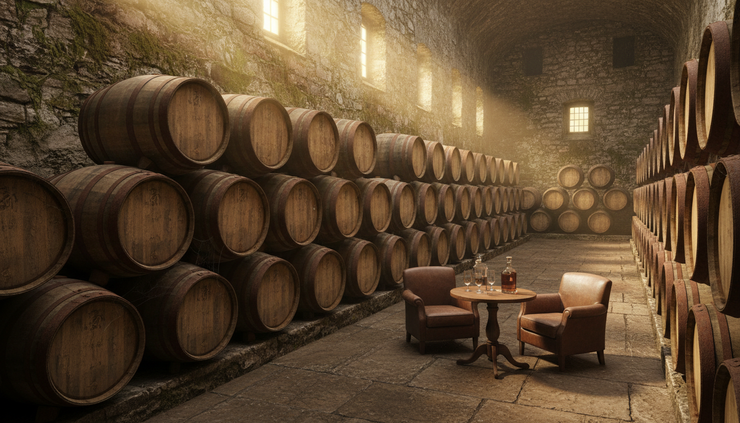
How to choose between bourbon and whiskey
If choosing a bottle feels overwhelming, start with flavor instead of labels.
Choose bourbon if you like:
Sweeter, fuller flavors
Vanilla and caramel notes
Old Fashioneds, Whiskey Sours, and Manhattans
A smooth sipping pour with oak and spice
Choose rye whiskey if you like:
Peppery spice
A drier finish
Cocktails with more bite
Choose Scotch if you like:
Malt flavors
Earthy, smoky, or coastal notes
A wide range from gentle to bold
Choose Irish whiskey if you like:
Light, easy-drinking whiskey
Smooth texture
Honeyed or fruity notes
For cocktails, bourbon is a reliable place to begin. Its sweetness balances citrus, bitters, and vermouth well. For sipping neat, try a small pour in a glass and let it sit for a few minutes before tasting. A splash of water can also open up the aroma.

The short answer
Whiskey is the broad family. Bourbon is one specific type of American whiskey.
The key differences are simple:
Bourbon must be made in the United States
Bourbon must use at least 51% corn
Bourbon must age in new charred oak barrels
Whiskey can come from many countries and use many grain recipes
If you like sweet oak, caramel, and vanilla, bourbon is a natural pick. If you want to explore smoky, spicy, fruity, or lighter styles, the wider world of whiskey has plenty to offer.
Start with one bourbon and one non-bourbon whiskey side by side. Taste them slowly. The difference becomes much clearer once it is in the glass.


Comments